

3 Red Flags That Trigger Sales Tax Audits in Illinois
You need to watch for warning signs if you run a business in Illinois, especially in retail, restaurants, or services. The Illinois Department of Revenue (IDOR) audits businesses for sales tax issues. Knowing what triggers an audit can help you avoid major problems. Here are three red flags to get your business on the IDOR’s audit radar.

Flags That Trigger Sales Tax Audits in Illinois, IRS Tax Attorney (Naperville IL)
Red Flag #1: Missing or Late Sales Tax Payments
What This Means:
When you don’t file your sales tax returns on time or you miss payments, it raises suspicion. IDOR keeps track of payment patterns, and repeated issues may lead to an audit.
Why It’s a Problem:
Late or missing payments suggest poor recordkeeping or even unpaid taxes, both of which can trigger an audit.
How to Avoid It:
Use accounting software or hire a tax professional to ensure every return is filed and paid on time.
Red Flag #2: Big Differences in Reported Sales
What This Means:
If your reported sales numbers don’t match what IDOR expects based on your industry or past years, they may investigate. Large drops or jumps in reported sales may appear suspicious.
Why It’s a Problem:
The IDOR compares your sales to similar businesses. If your numbers seem too low or change suddenly, they assume something is wrong.
How to Avoid It:
Keep accurate sales records and explain any big changes in sales (such as a location closing, remodel, or seasonal dip) in your tax filings.
Red Flag #3: Poor Recordkeeping or Missing Documents
What This Means:
During an audit, IDOR expects you to show clear records of sales, receipts, tax collected, and claimed exemptions. If you don’t have the proper documents, it’s a major red flag.
Why It’s a Problem:
Without good records, the state assumes the worst, and they may estimate taxes owed, often overcharging you.
How to Avoid It:
Save all records, both digital and paper, for at least 3–5 years. Make sure they are organized and easy to access.
❓Frequently Asked Questions (FAQs)
1. What types of businesses are most at risk for a sales tax audit in Illinois?
A few types of businesses stand out. These include smaller retail stores, restaurants, bars, salons, and service providers that collect and then pay sales tax. They are more frequently audited by the Illinois Department of Revenue (IDOR) than other businesses, especially if they handle a large volume of cash transactions or use third-party delivery platforms (ex, UberEats, DoorDash, Grubhub, etc).
2. Can missing or late payments trigger an audit, even if it’s just once or twice?
Yes. Even a few late or missed returns may signal poor tax “compliance” and prompt a closer look. IDOR’s system looks for flags of inconsistent filing or payment patterns because these patterns suggest unreliability.
3. How does IDOR decide whether your reported sales look suspicious?
IDOR compares your business’s reported sales to industry “benchmarks” (or standard ratios), as well as a business’s past returns. (This includes sales and income tax returns.) Large fluctuations or unusually low sales reports, without explanation, suggest inaccuracies. They may raise red flags and result in an audit inquiry.
4. What records should I have ready if I get audited?
You should maintain 7 years of records, but at least 3 years’ worth, including sales receipts, POS reports, bank statements, Illinois ST-1 returns, exemption certificates, delivery platform reports (e.g., DoorDash, Grubhub), and any correspondence with accountants. Also, keep all other tax returns and the information used to calculate them.
5. What happens if I can’t produce the right records during an audit?
If you’re missing documents, IDOR may estimate your sales based on industry averages or bank deposits, often resulting in an inflated tax assessment. Poor documentation puts you at serious financial risk. You should speak with an attorney, because other rights and issues become challenged, based on poor record-keeping.
6. How can I reduce the chances of getting audited?
Stay current on all sales tax filings and payments. Ensure that reported sales match bank and POS records. Avoid large, unexplained shifts in income. Get professional help if you’re unsure how to handle third-party delivery service sales, discounts, refunds, labor components, or other claimed exemptions.
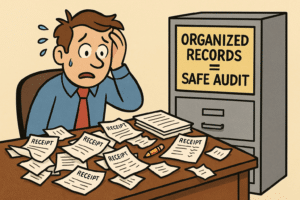
Organized Records Safe Audit, IRS Tax Attorney (Naperville, IL)