

How to Know if Your Restaurant is on IDOR’s Audit Radar
Illinois is auditing more businesses for sales tax mistakes.
Running a restaurant in Illinois now forces you to keep a close eye on your sales tax records. The Illinois Department of Revenue (IDOR) regularly audits businesses to ensure they comply with tax laws. If you worry about your restaurant being selected for an IDOR audit, you must understand the warning signs.
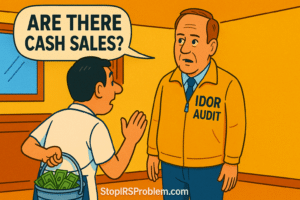
Illinois Sales Tax Audits IDOR’s Audit Radar, IRS Tax Attorney (Naperville, IL)
Here are 9 indicators to determine if your restaurant is in danger of an audit.
1. If You Frequently File Your Form ST-1 Returns Late
If your restaurant has a history of filing late sales tax returns, this is a red flag for IDOR. Timely filing is important to the state. But also, late filings suggest the business records are disorganized and unreliable. If you consistently miss deadlines, you can make your restaurant a target for an audit.
2. If Your Reported Sales Don’t Match State Averages
The Illinois Department of Revenue compares sales figures across businesses in the same industry. (There is even a guide to suggest how much of your sales are cash, based on other businesses.) If your reported sales numbers are significantly higher or lower than those of similar restaurants in Illinois, IDOR might want to take a closer look.
3. If Your Sales Tax Returns Do Not Match the Income Tax Return
Be sure your sales are accurately recorded and match your annual income tax returns, Profit & Loss, your bank records, your point-of-sale software, and your Form ST-1 returns.
4. If You Have Unusual Deductions or Exemptions
Restaurants often qualify for certain tax exemptions, but claiming deductions that don’t seem justified can prompt an audit. If you’re taking questionable deductions or exemptions, be prepared to prove them in an audit.
5. If You Only Make Cash Transactions
Restaurants that operate primarily in cash may attract more attention from tax authorities. But even if cash transactions are common in your industry, if the volume of cash sales is unusually high, IDOR might suspect that some revenue isn’t being reported. Be prepared to prove your sales, tax collected, and the related costs of your sales.
6. Do You Have Industry-Specific Triggers?
Certain activities or business structures in the restaurant industry can raise red flags for IDOR sales tax audits. For example, having multiple locations operating under one Tax ID, but multiple Illinois Account ID numbers, or offering catering services, or running large events, can make your business more likely to be audited.
7. Have You Changed in Your Form ST-1 Filing Patterns?
IDOR tracks changes in filing patterns. If your restaurant’s revenue jumps or drops unexpectedly or you start filing different types of returns (e.g., from monthly to quarterly), IDOR might take an interest in your business. Ensure that changes in your filing patterns are well-documented and justified.
8.History of Sales Tax Issues
If your restaurant has previously faced sales tax audit changes or penalties, your business is at higher risk for future audits. IDOR frequently focuses on businesses with past sales tax problems to ensure they have corrected their mistakes.
9. Did You Skip a Month (or more)?
Illinois monitors your “compliance” for sales tax filings. Only one missed month of filing does not trigger an audit. However, it does trigger an automatic tracking for future missed, late, or unpaid sales tax returns.
If you fail to pay the tax, Illinois can hold you “personally responsible” to pay the tax. Under Illinois law, the failure to collect, account for, and pay over sales taxes is criminalized under the Retailers’ Occupation Tax Act, specifically 35 ILCS 120/13. This section of Illinois law outlines the potential penalties and prison time for anyone caught who willfully fails to collect, report, and pay the sales tax. Serious stuff.
What You Can Do
To reduce the chances of an audit or to prepare if one does occur, focus on good record-keeping, accurate reporting, and timely filings. Acquire or update your point-of-sale system. Download and save a copy of your sales records, your deductible items and exemptions, and your banking records. Consider consulting with a tax professional who specializes in Illinois’ sales tax for guidance.
If you Received an Audit Notice, Don’t Panic
Contact your sales tax professional, or reach out to Tax Law Offices, Inc. (StopIRSproblem.com) for help. Ask for a 30-minute consultation to see if you need representation.